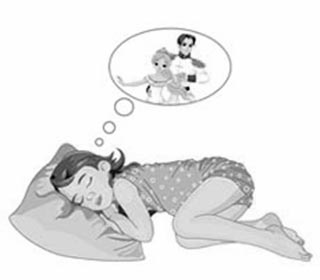
Remove all stimulating devices from your bedroom - Computer games, TV and movies stimulate the brain and use of these activities will become expected
Your bedroom should be fresh and well aired
Remember that extreme temperatures will prevent you sleeping
Avoid drinks containing caffeine, such as soft soda drinks, tea and coffee, for 8 hours before your bedtime
Check over the counter drugs for caffeine content - these might include pain relievers and cold remedies
"Don't dine after nine!"
What you eat affects how you sleep. Some foods contribute to restful sleep which contain tryptophan. Tryptophan is the amino acid that the body uses to make serotonin which slows down nerve traffic so your brain isn't so busy.
Eat carbohydrates with tryptophan-containing foods - Dairy products
Avoid alcohol in the evening
Avoid smoking - nicotine is a stimulant
Avoid stressful situations before you go to sleep
Avoid any form of emotional upset
Take regular exercise but not during the two hours before you go to bed
Take a warm bath - lavender based oils will help you relax
Enjoy a good book - reading takes your mind away from the stresses of the day and makes your eyes tired
Relax with some soothing music
Try earplugs to reduce noise
Keep your room dark during sleep hours - use an eye mask if necessary
Use relaxation techniques to keep your mind off stressful problems and for a better sleep
Make sure you are not going to bed too early - Don't go to bed if you feel wide awake!
Go to bed and get up at about the same time every day, even on the weekends
Limit daytime sleep, or naps, to about a half-hour only in the afternoon
If you don't fall asleep within 15 to 20 minutes, get up and do something that relaxes you
Make the bedroom as dark as possible - black-out curtains or black out blinds will help
Keep the room temperature below 70° F
Make sure that your bed is comfortable with a comfy mattress, pillows and coverings